Back to Newsroom
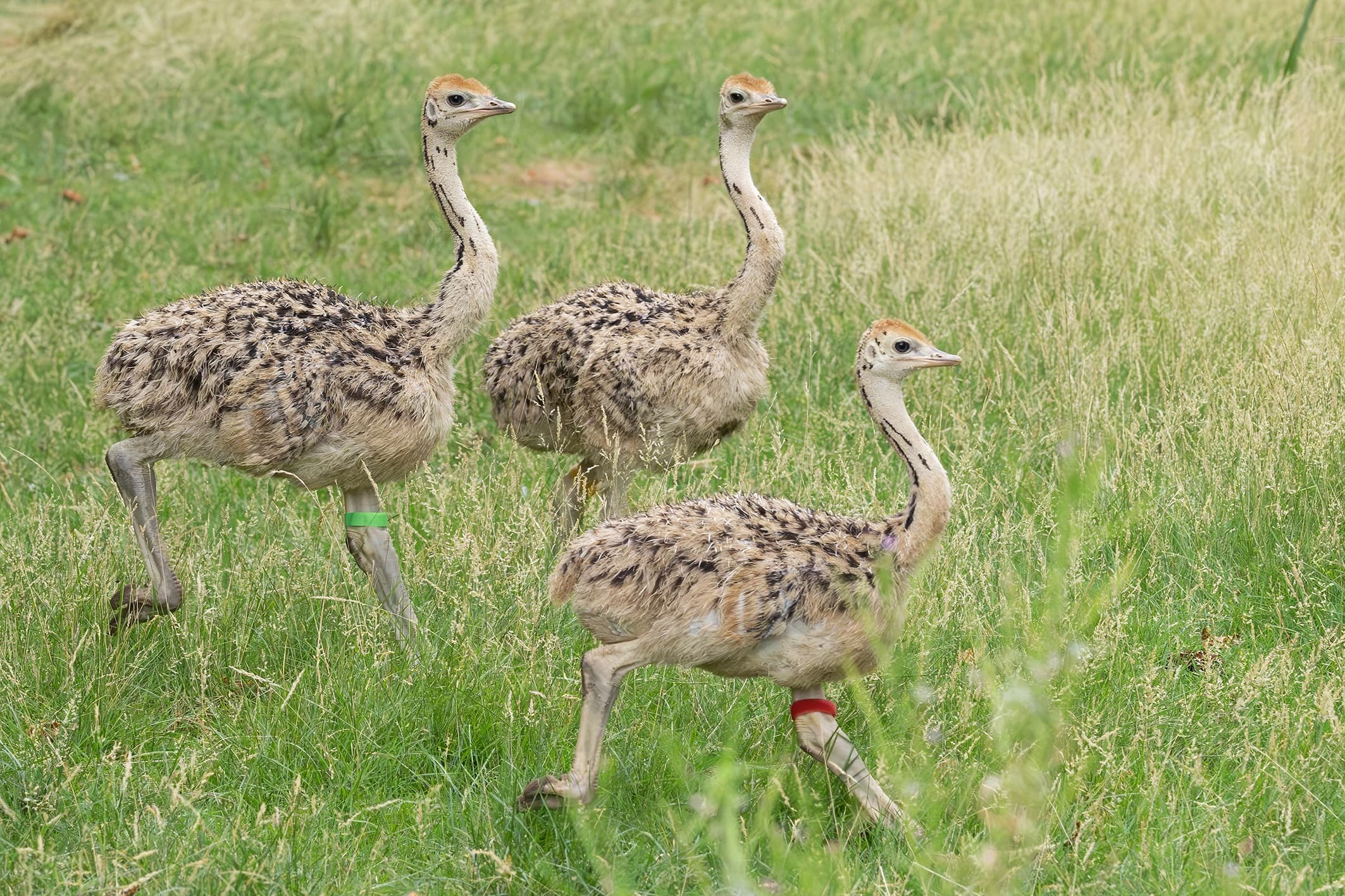
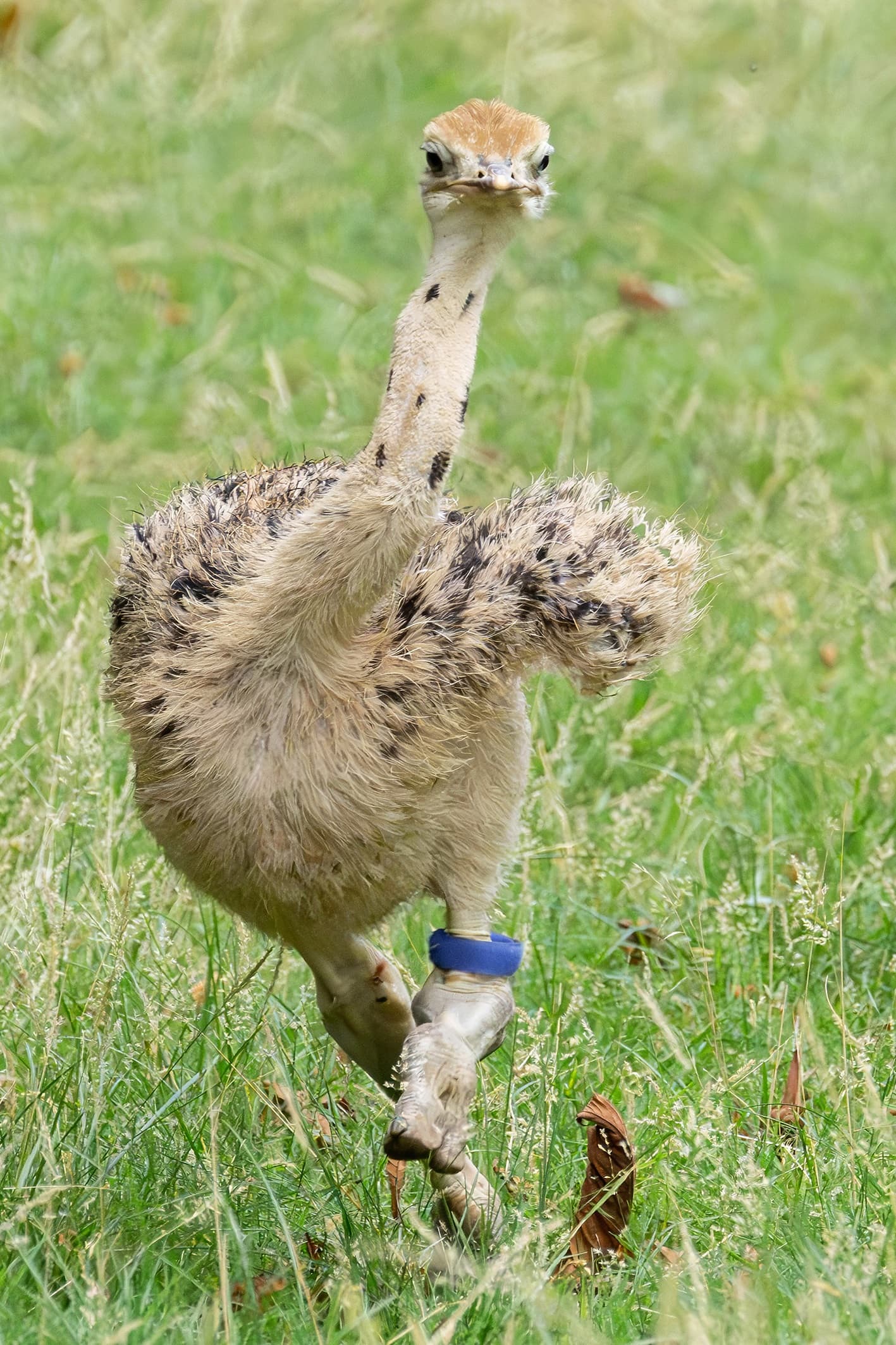
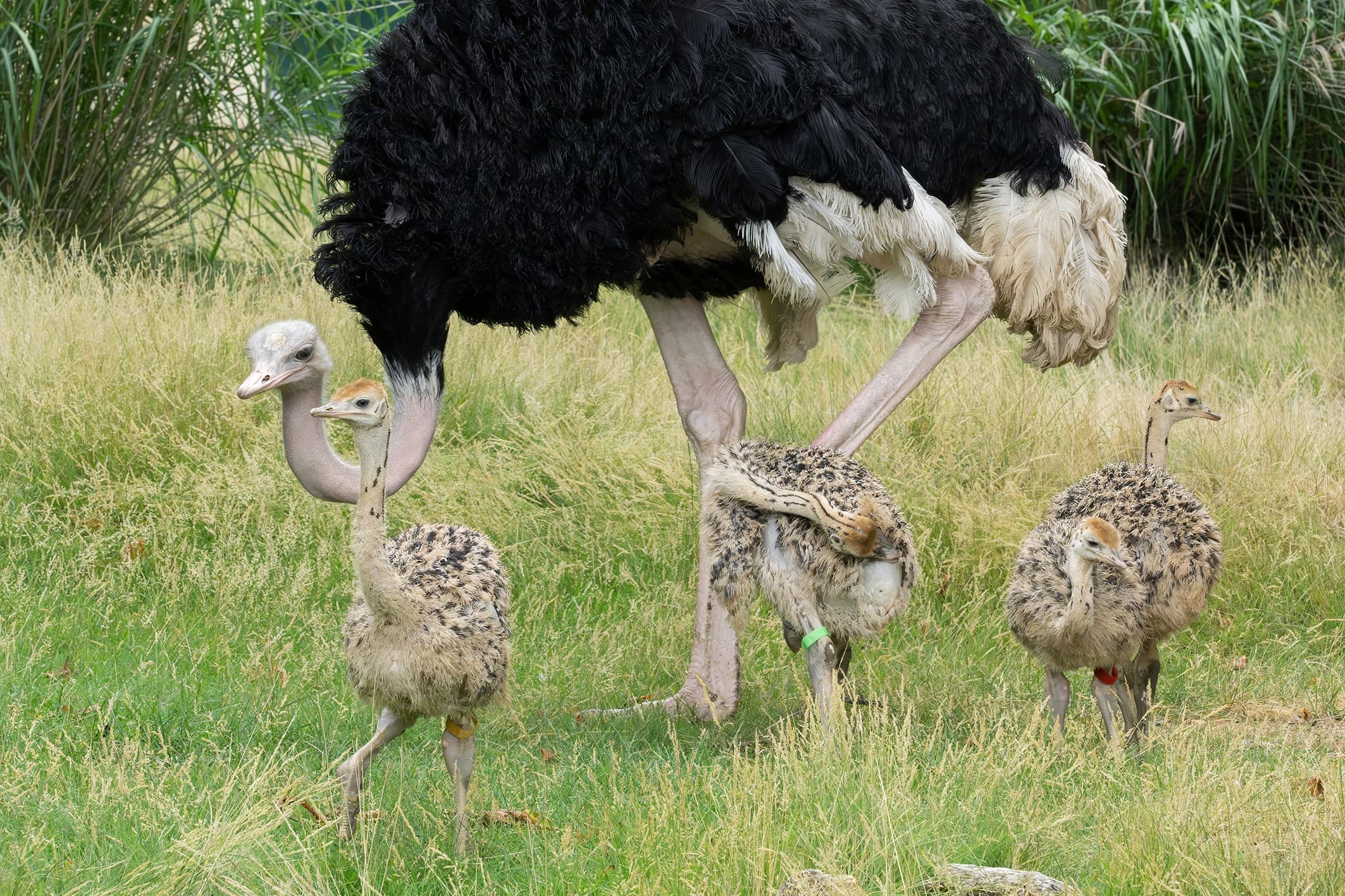
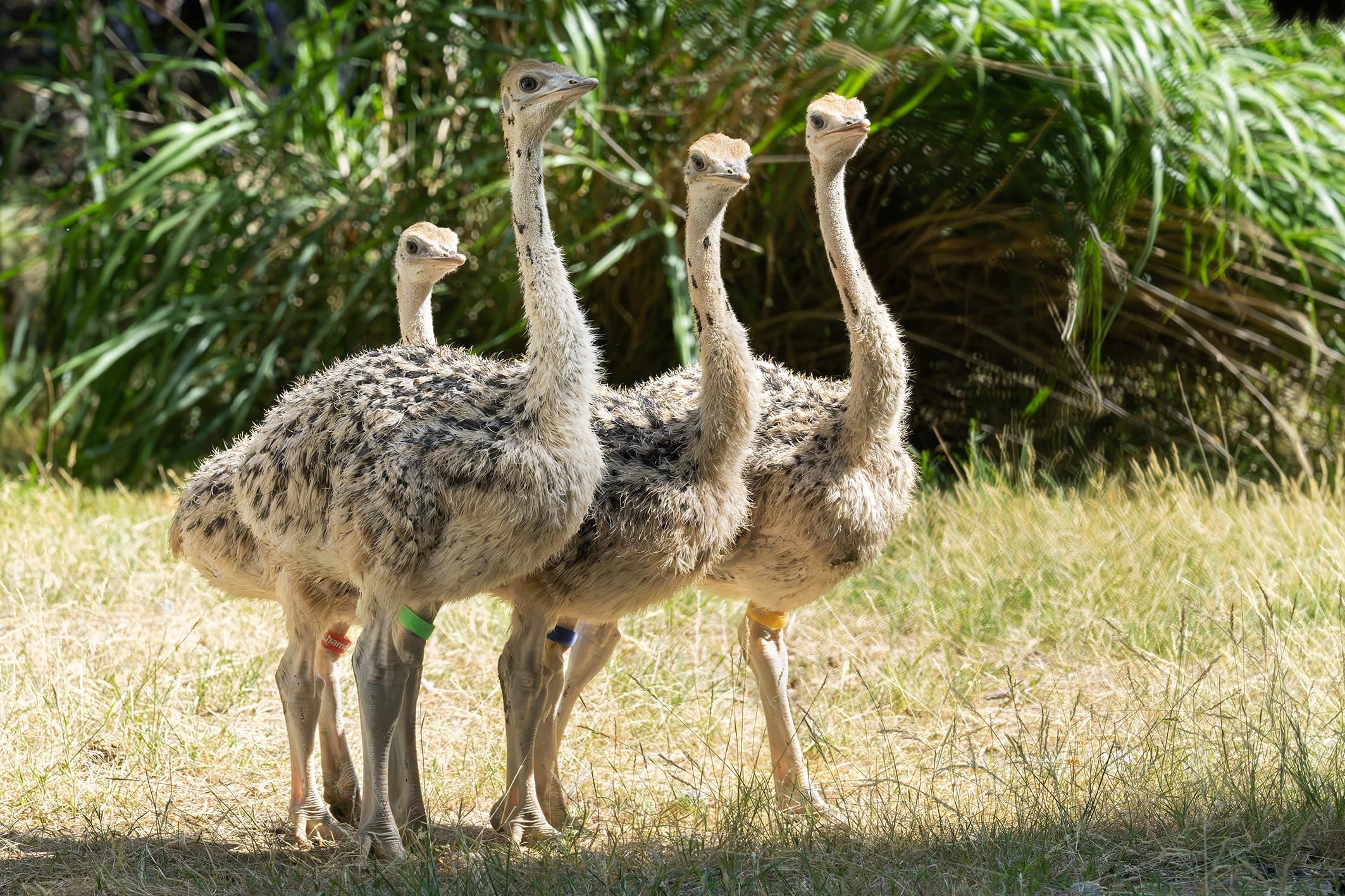
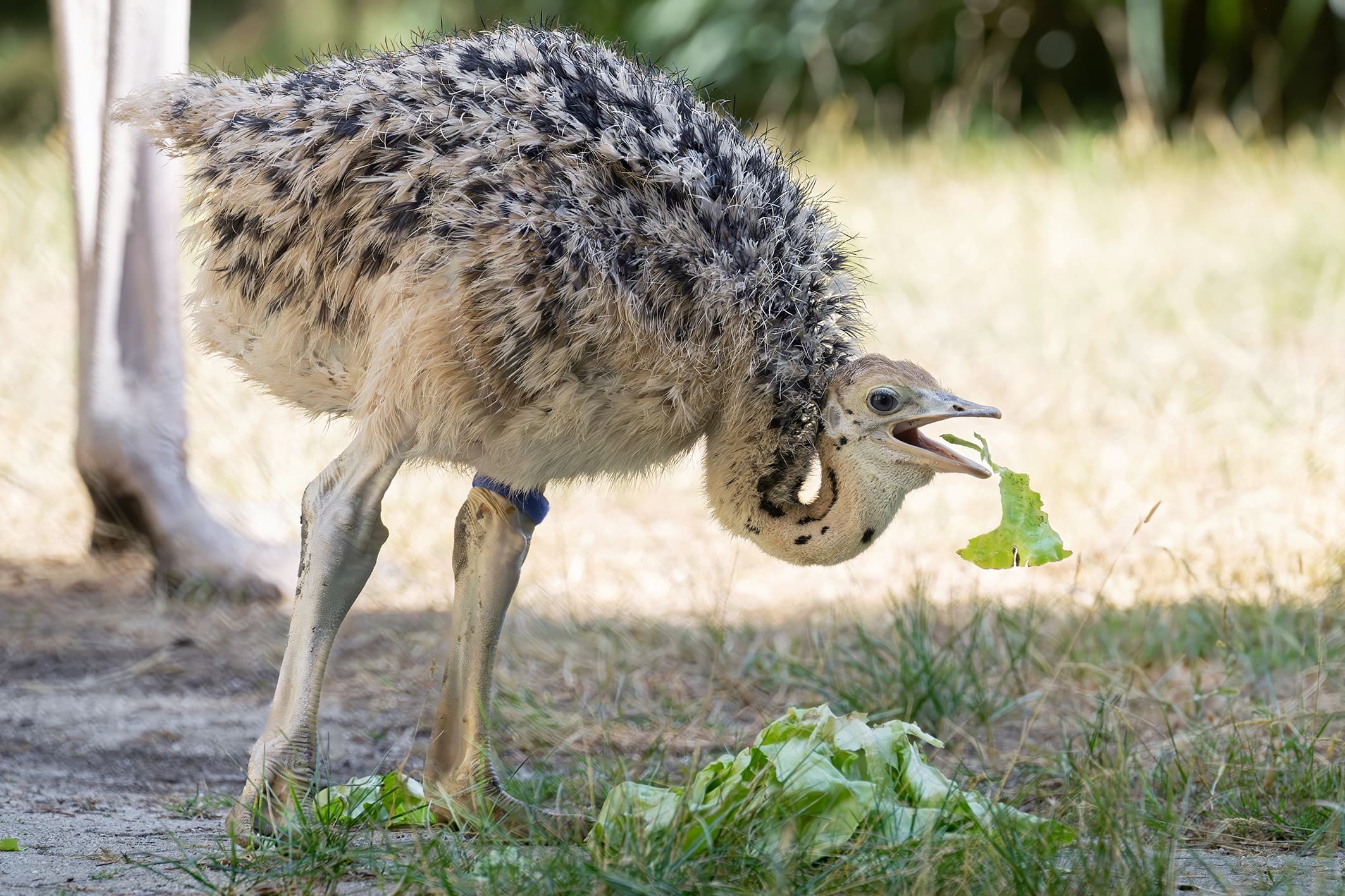
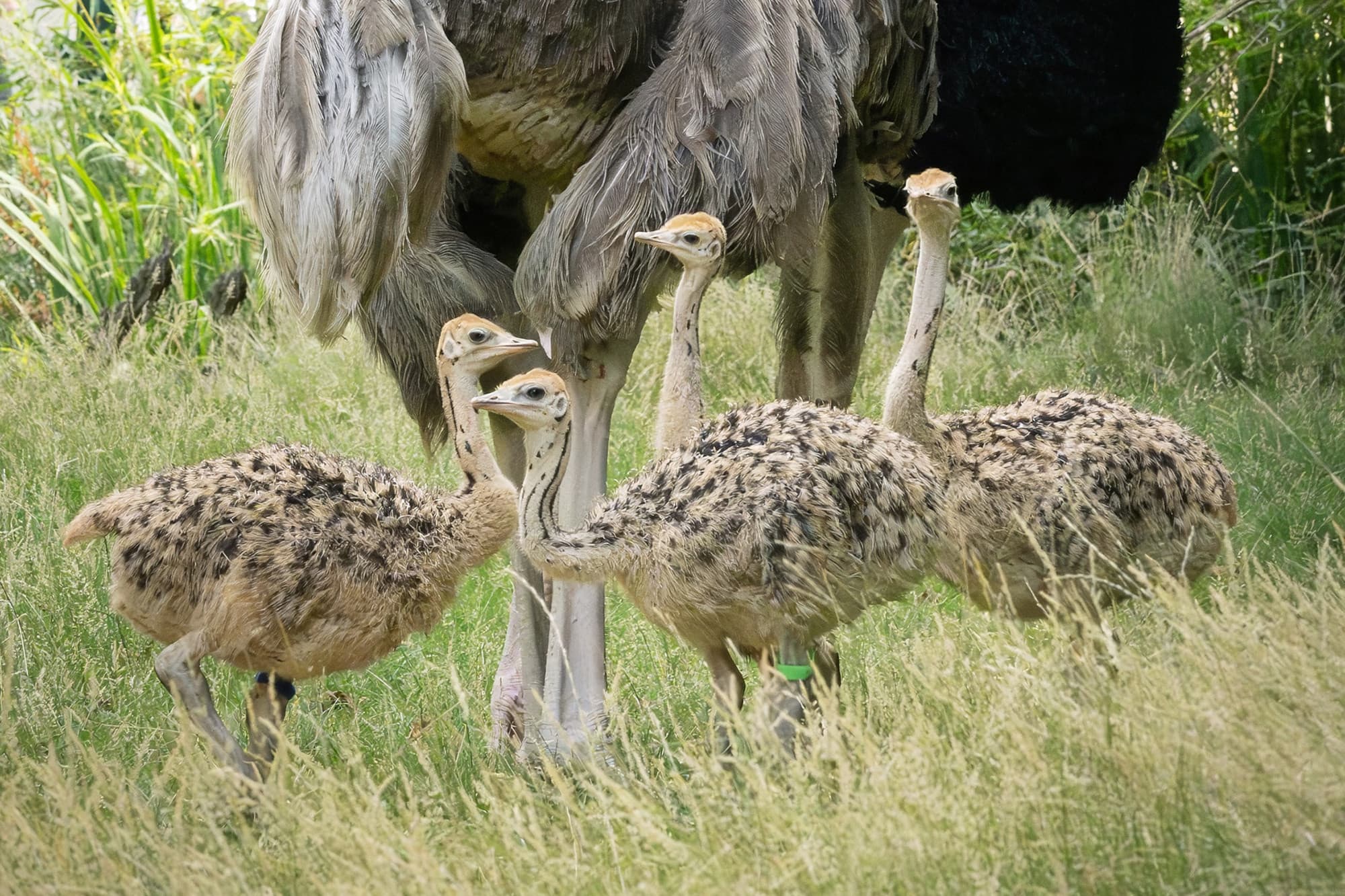
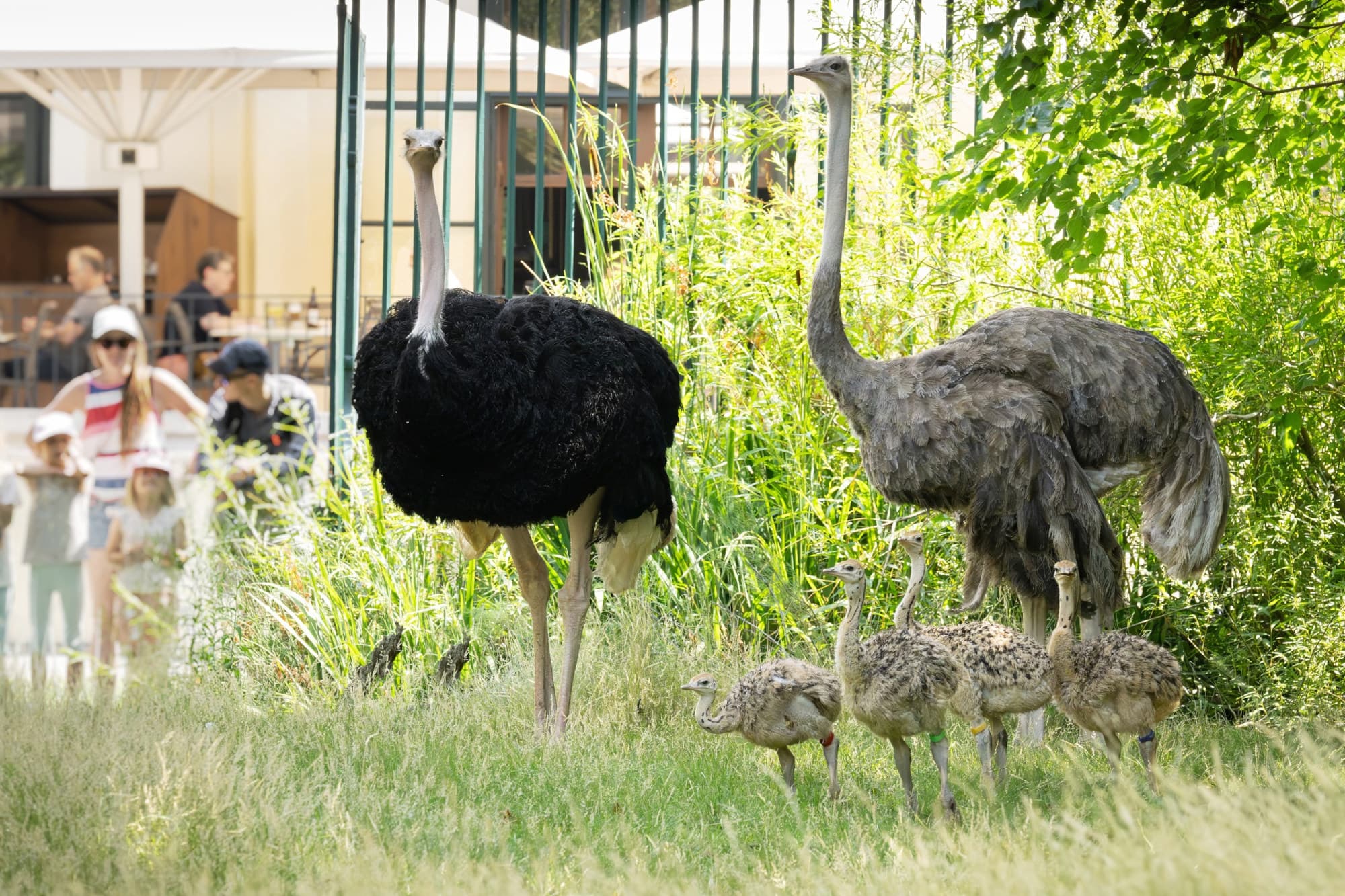
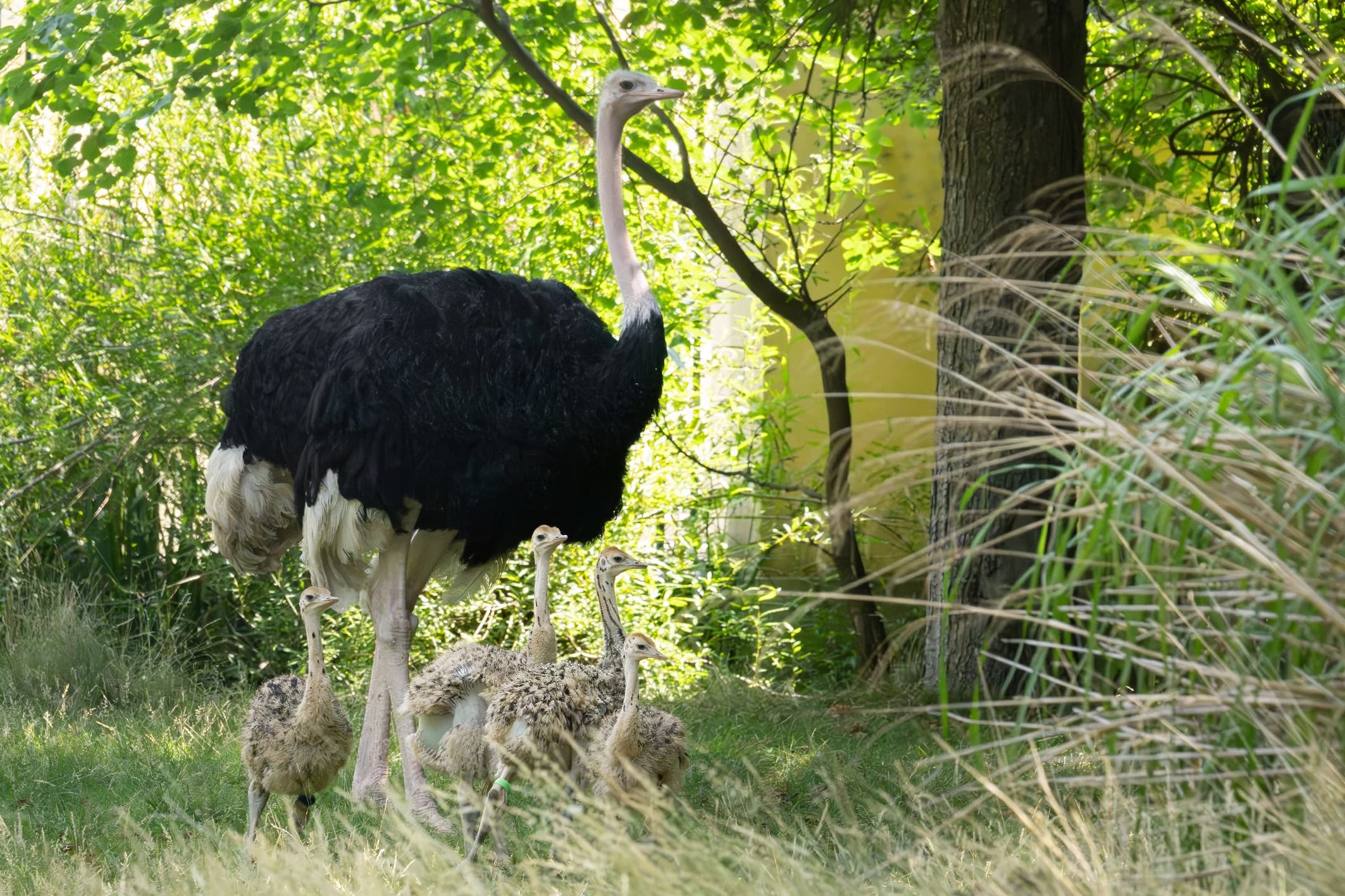
For the first time in the Vienna zoo's more than 270-year history, critically endangered North African red-necked ostriches have been naturally hatched by their parents and are now being raised by them. Note: Photo obtained from the zoo. (Daniel Zupanc/Newsflash/NX)
Daniel Zupanc/Newsflash/NX
AustriaSchönbrunn zoo

First Natural Hatch Of Critically Endangered Ostriches In 270-Year History Of World's Oldest Zoo

By Angela Trajkovska

AnimalsOstrich/EmuBirdsZoos

This is the moment four critically endangered North African red-necked ostrich chicks follow their devoted parents after becoming the first of their kind in more than 270 years at the world's oldest zoo to be naturally hatched and reared by their mother and father.

The footage was released from Schoebrunn Zoo in Vienna, Austria, on 23rd July.

The four chicks hatched in June after their parents successfully incubated the eggs themselves, marking a historic first in the zoo's history.

The breeding success was described as a major milestone for the European conservation breeding programme for the North African red-necked ostrich, a subspecies threatened with extinction because of poaching and habitat loss.

Zoo director Dr Stephan Hering-Hagenbeck said: "For us, this is an important milestone.

"Because of poaching and habitat loss, this subspecies of the African ostrich is threatened with extinction.

"The population is estimated at no more than 1,000 birds.

"The largest population lives in the Republic of Chad in Central Africa.

"We are especially proud that artificial incubation of the eggs was not necessary because the pair displayed their natural breeding behaviour."

The male prepared a shallow sandy nest before both parents took turns incubating the clutch for around 45 days.

After the chicks hatched, both adults continued to care for them, with the male taking on much of the work of protecting the youngsters.

Dr Folko Balfanz, the zoo's head of zoology, said: "You can almost watch the chicks grow.

"They grow by up to three centimetres a day.

"Although they already weigh around eight kilogrammes, they still have to eat plenty of grasses, seeds, insects and leaves before they reach the size of their parents.

"Male North African red-necked ostriches can weigh up to 150 kilogrammes."

The North African red-necked ostrich is the largest subspecies of the African ostrich and is recognised as the world's biggest and heaviest living bird.

Unable to fly, ostriches evolved powerful muscles and long legs that allow them to sprint at speeds of more than 70 kilometres per hour across the African savannah while also defending themselves with powerful kicks.

Their eggs are the largest laid by any living bird, although, relative to the female's body size, they are proportionally the smallest of all bird eggs.

Caption: For the first time in the Vienna zoo's more than 270-year history, critically endangered North African red-necked ostriches have been naturally hatched by their parents and are now being raised by them. — Tiergarten Schonbrunn/Newsflash/NX
For the first time in the Vienna zoo's more than 270-year history, critically endangered North African red-necked ostriches have been naturally hatched by their parents and are now being raised by them. Note: Photo obtained from the zoo. (Daniel Zupanc/Newsflash/NX)
For the first time in the Vienna zoo's more than 270-year history, critically endangered North African red-necked ostriches have been naturally hatched by their parents and are now being raised by them. Note: Photo obtained from the zoo. (Daniel Zupanc/Newsflash/NX) — Daniel Zupanc/Newsflash/NX
For the first time in the Vienna zoo's more than 270-year history, critically endangered North African red-necked ostriches have been naturally hatched by their parents and are now being raised by them. Note: Photo obtained from the zoo. (Daniel Zupanc/Newsflash/NX)
For the first time in the Vienna zoo's more than 270-year history, critically endangered North African red-necked ostriches have been naturally hatched by their parents and are now being raised by them. Note: Photo obtained from the zoo. (Daniel Zupanc/Newsflash/NX) — Daniel Zupanc/Newsflash/NX
For the first time in the Vienna zoo's more than 270-year history, critically endangered North African red-necked ostriches have been naturally hatched by their parents and are now being raised by them. Note: Photo obtained from the zoo. (Daniel Zupanc/Newsflash/NX)
For the first time in the Vienna zoo's more than 270-year history, critically endangered North African red-necked ostriches have been naturally hatched by their parents and are now being raised by them. Note: Photo obtained from the zoo. (Daniel Zupanc/Newsflash/NX) — Daniel Zupanc/Newsflash/NX
For the first time in the Vienna zoo's more than 270-year history, critically endangered North African red-necked ostriches have been naturally hatched by their parents and are now being raised by them. Note: Photo obtained from the zoo. (Daniel Zupanc/Newsflash/NX)
For the first time in the Vienna zoo's more than 270-year history, critically endangered North African red-necked ostriches have been naturally hatched by their parents and are now being raised by them. Note: Photo obtained from the zoo. (Daniel Zupanc/Newsflash/NX) — Daniel Zupanc/Newsflash/NX
For the first time in the Vienna zoo's more than 270-year history, critically endangered North African red-necked ostriches have been naturally hatched by their parents and are now being raised by them. Note: Photo obtained from the zoo. (Daniel Zupanc/Newsflash/NX)
For the first time in the Vienna zoo's more than 270-year history, critically endangered North African red-necked ostriches have been naturally hatched by their parents and are now being raised by them. Note: Photo obtained from the zoo. (Daniel Zupanc/Newsflash/NX) — Daniel Zupanc/Newsflash/NX
For the first time in the Vienna zoo's more than 270-year history, critically endangered North African red-necked ostriches have been naturally hatched by their parents and are now being raised by them. Note: Photo obtained from the zoo. (Daniel Zupanc/Newsflash/NX)
For the first time in the Vienna zoo's more than 270-year history, critically endangered North African red-necked ostriches have been naturally hatched by their parents and are now being raised by them. Note: Photo obtained from the zoo. (Daniel Zupanc/Newsflash/NX) — Daniel Zupanc/Newsflash/NX
For the first time in the Vienna zoo's more than 270-year history, critically endangered North African red-necked ostriches have been naturally hatched by their parents and are now being raised by them. Note: Photo obtained from the zoo. (Daniel Zupanc/Newsflash/NX)
For the first time in the Vienna zoo's more than 270-year history, critically endangered North African red-necked ostriches have been naturally hatched by their parents and are now being raised by them. Note: Photo obtained from the zoo. (Daniel Zupanc/Newsflash/NX) — Daniel Zupanc/Newsflash/NX

Credits

Angela TrajkovskaJournalist

Read the full story at the source

Read Full Article